- In 2026, 91% of businesses use video to promote what they do (Wyzowl, 2026 annual video survey).
- Most of the work happens before the camera turns on: the strategy call and the plan for the day.
- Your job on shoot day is simple. Be yourself, be on location and let the team handle the rest.
In 2026, 91% of businesses use video to promote what they do, according to Wyzowl's annual survey (Wyzowl, 2026 annual video survey). Still, many owners walk into their first shoot with no idea what the day looks like. What happens when the crew arrives? How much will you need to do?
This guide walks through a typical shoot day, from the first call to the final frame, so you know what to expect and can relax into it.
What happens before the shoot day?
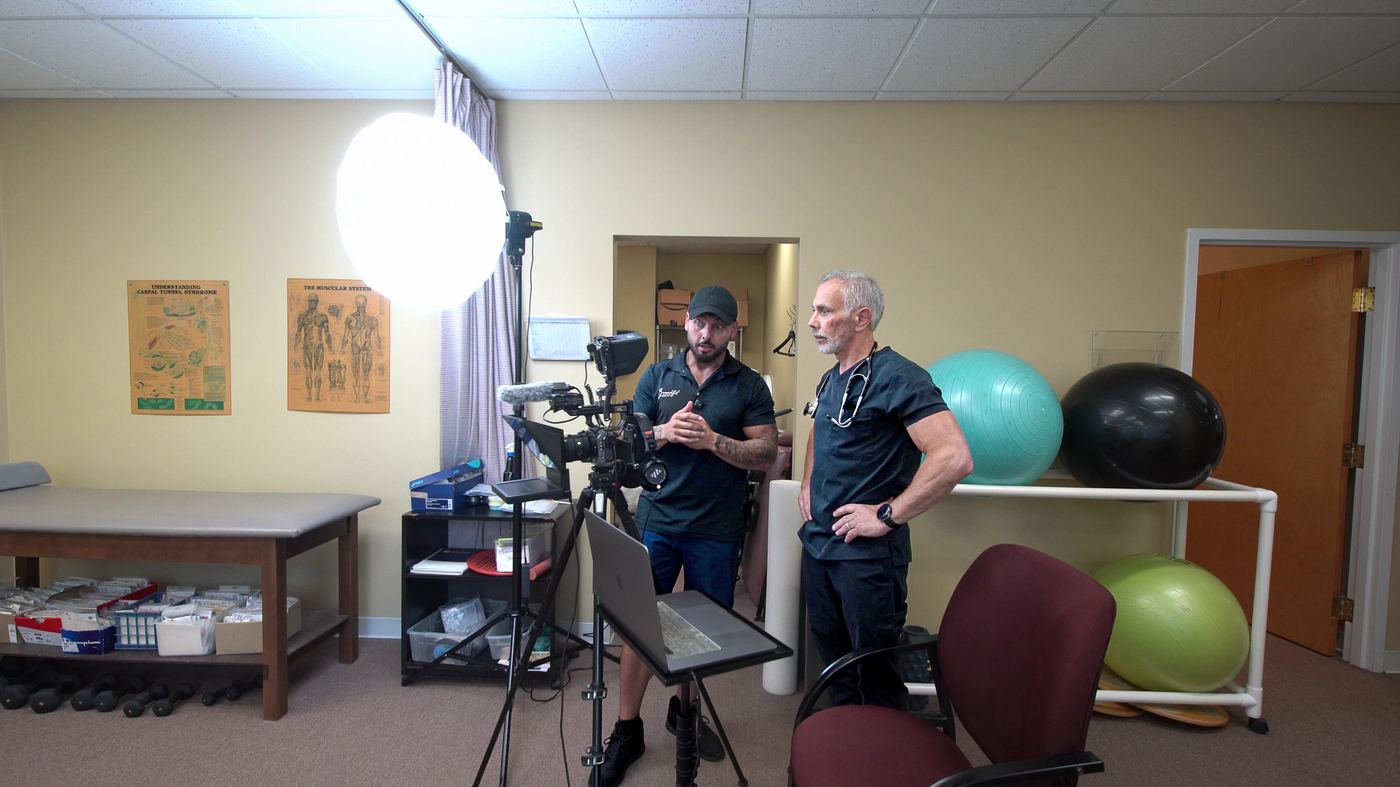
A good shoot day starts long before the camera comes out. It begins with a strategy call, where we talk through your goals, who you want to reach and the video that fits. From there we turn the conversation into a plan for the day: what we will film, where we will film it and who will appear on camera.
That plan keeps the day calm. Everyone knows the goal, the schedule and the key moments to capture. You are never guessing what comes next.
Before the day, you will confirm the location, who is appearing on camera and any items you want to show. A short checklist is usually all it takes.
What does the crew do when they arrive?
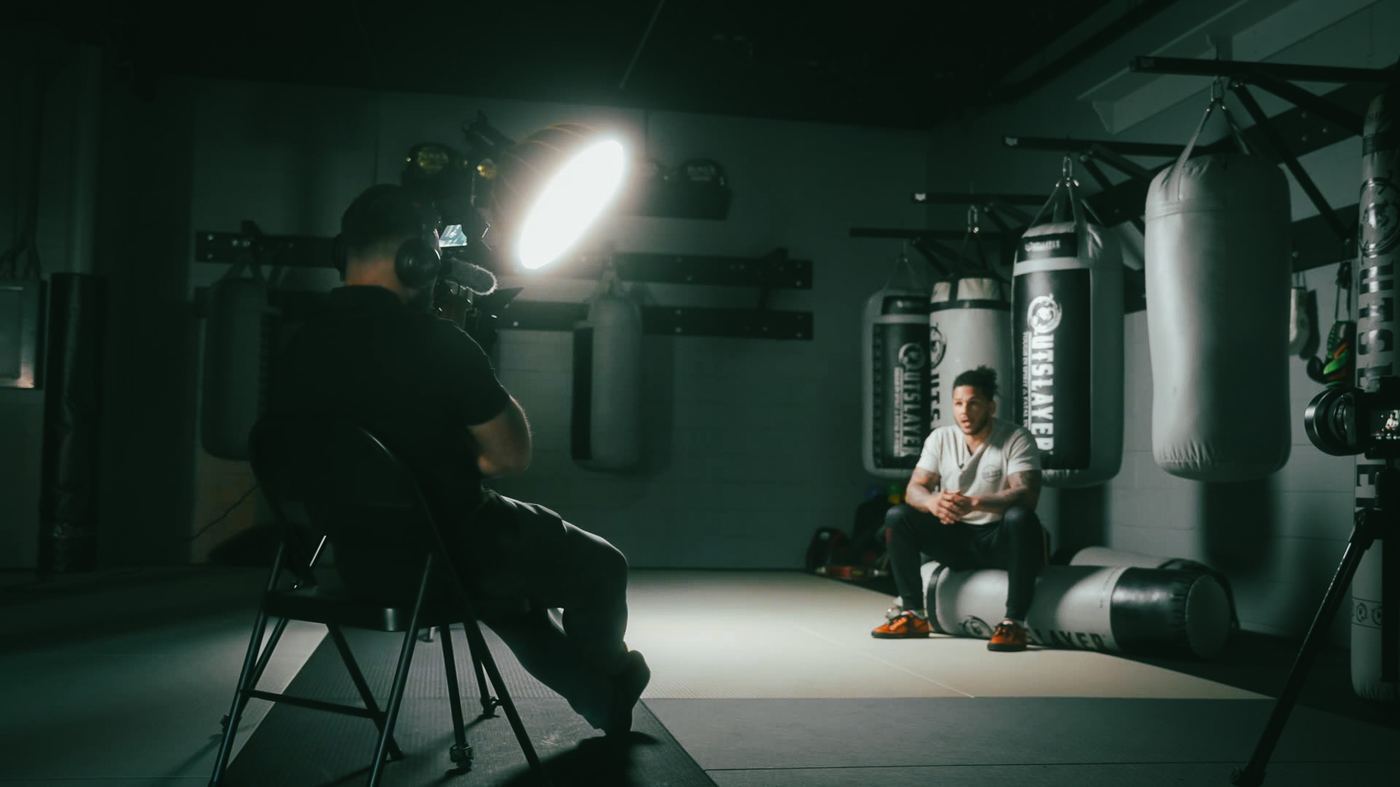
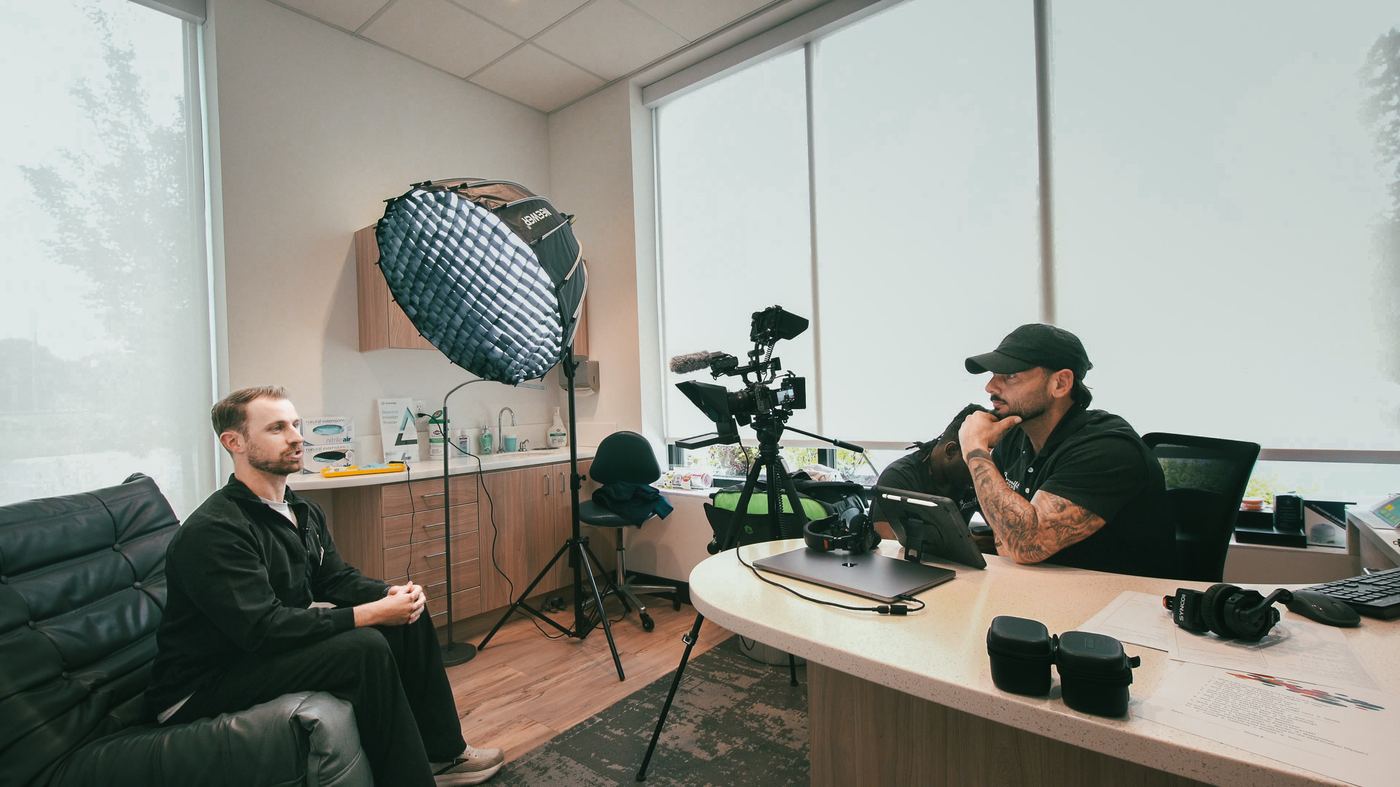
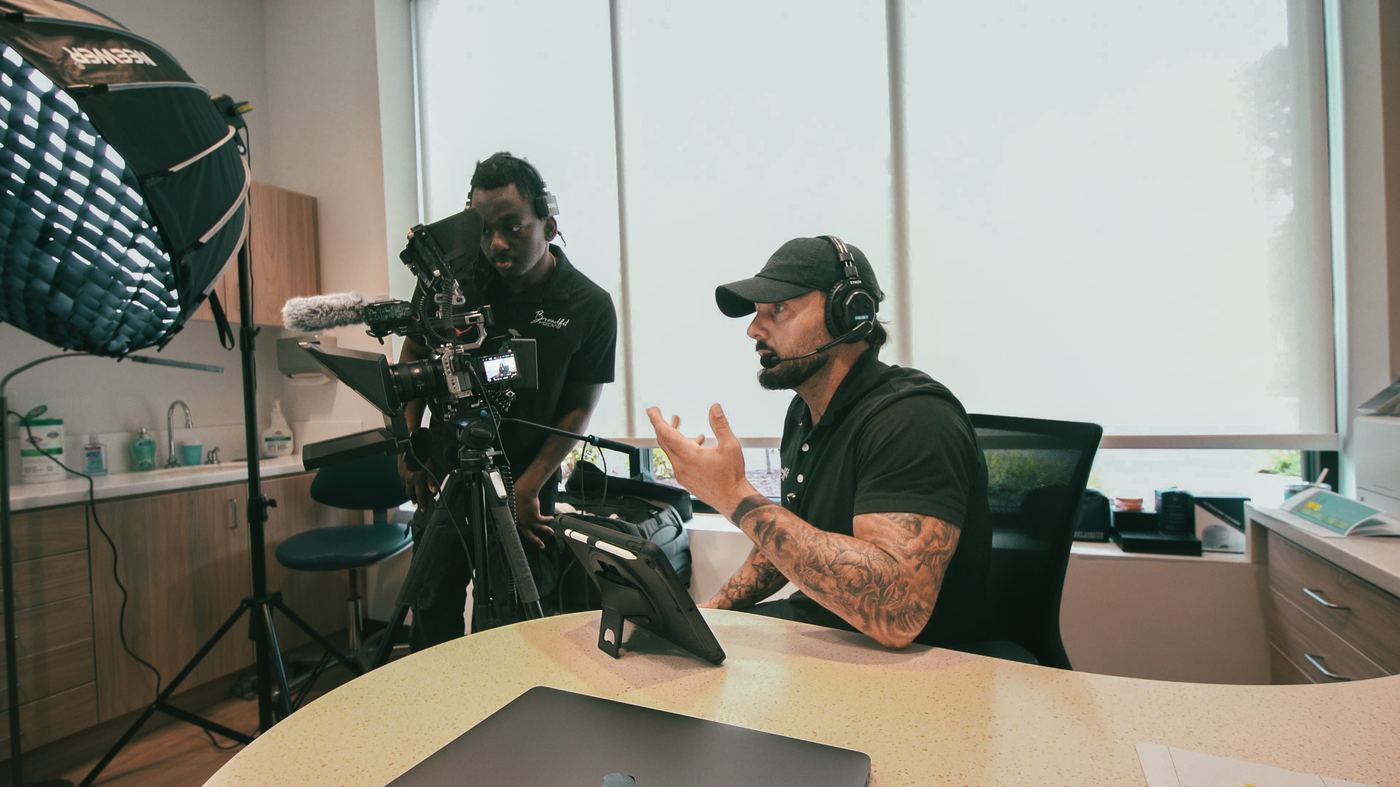
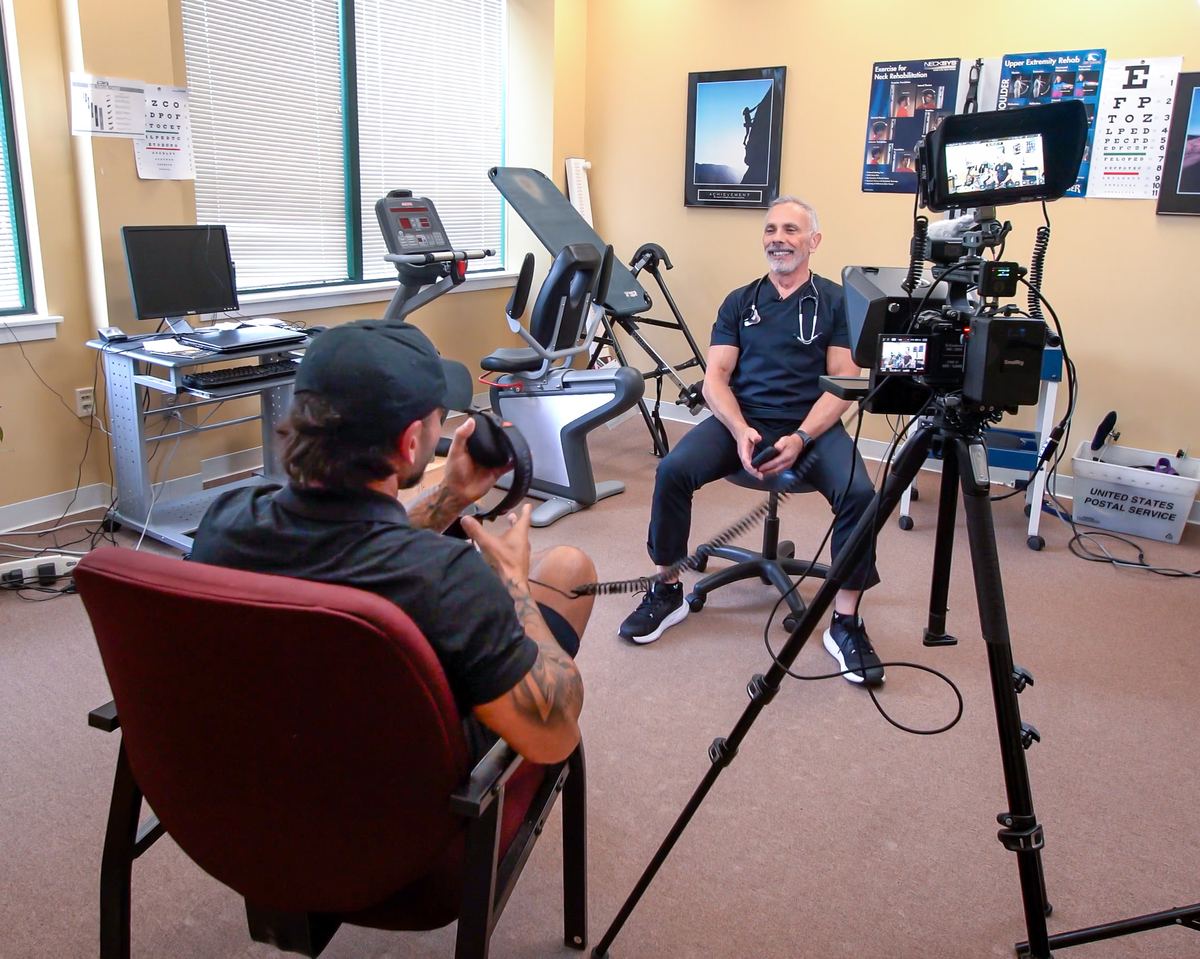
The first stretch of time goes to setup. We walk the location, choose where to film and set up the camera, lighting and sound. It can look slow from the outside, but this step is what makes the finished video look polished.
Lighting shapes how people look on screen. Clean audio matters just as much, because viewers will forgive a lot before they forgive sound they cannot understand. We test both before anyone steps in front of the camera.
Please do not worry if the first few minutes feel quiet. A calm, careful setup usually means a smooth day.
What will I be asked to do on camera?
If you appear in the video, you will usually answer a handful of questions or speak to a few key points we planned together. You do not need acting experience and you do not need to memorize lines. We guide you, and we film more than one take whenever it helps.
Alongside the interview, we capture supporting footage, often called B roll. That means you working, your space, your team and the small details that show what your business is like. This footage gives the final video its rhythm and variety.
Retakes are normal. If a sentence comes out clumsy, we simply try it again, and the edit uses the best version.
How can I help the day run smoothly?
A few small choices make a big difference. Here is what we suggest:
- Choose a time when your space is quiet and tidy.
- Tell your team the crew is coming so nobody is surprised.
- Wear solid colors and skip tight patterns, which can look busy on camera.
- Eat and drink water beforehand so you feel comfortable.
- Have one person available to answer questions and open doors.
- Stay flexible. Light, weather and noise can change the plan, and we adapt.
None of this is complicated. The most useful thing you can bring is your natural way of talking about what you do.
What happens after the shoot day?
When filming wraps, the footage moves to our editors. Every project is handled by a team of strategists, shooters and editors, so you get a polished result without managing the details. You can follow progress and leave comments in our client portal.
You review the edit and approve it before anything is final. Then your video is ready for your website, your social media and anywhere else you want to show it.
Common questions
How long does a video shoot day take?
It depends on how many videos we are making and how many locations are involved. We set the schedule with you ahead of time, so there are no surprises on the day.
Do I need to write a script?
No. We plan your talking points with you on the strategy call, so you arrive knowing what you want to say.
Who needs to be at the shoot?
The people appearing on camera, plus one person who can help with access and answer questions.
What if I get nervous on camera?
It is very common. We keep the setting relaxed, film more than one take and guide you through it. Nerves usually fade after the first few questions.
Founder and Creative Director of Broadfit Media, a creative production studio in the Philadelphia area. Brandon has been filming for about eight years and has shot on location across the US and in other countries.